ROCK UNCONFINED COMPRESSION TEST APPARATUS in Alappuzha
Get In Touch
Rock Unconfined Compression Test Apparatus Manufacturer & Supplier in Alappuzha
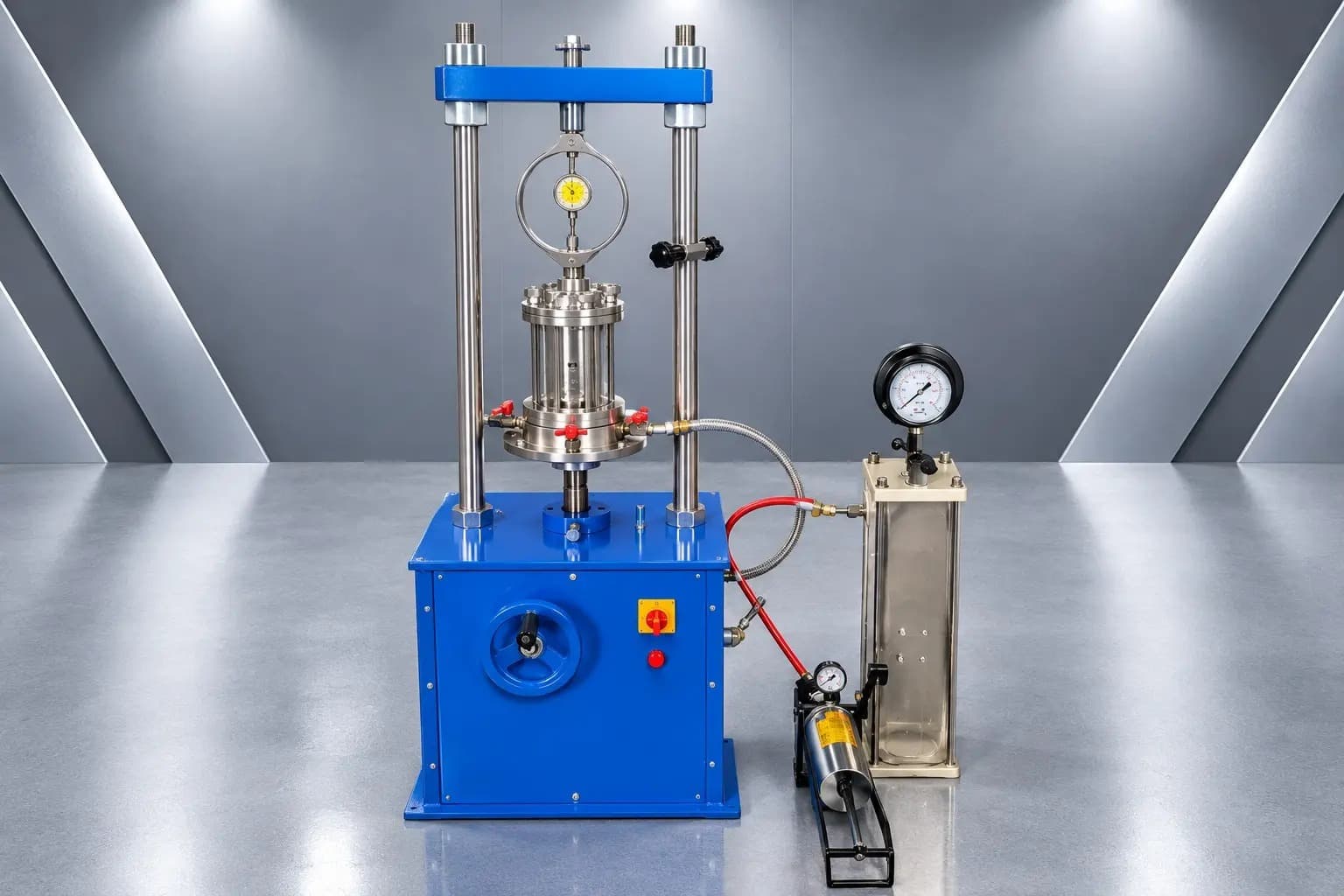
Rock strength testing is an important part of geotechnical investigations, rock mechanics studies, mining operations, and civil engineering projects. The Rock Unconfined Compression Test Apparatus is used to evaluate the compressive strength of suitable rock specimens under an axial load without lateral confinement. The test helps engineers understand rock behaviour and assess its suitability for different construction and engineering applications.
Civil Testing Equipments provides testing equipment for laboratories, educational institutions, construction companies, and geotechnical testing facilities. Our focus is on helping customers identify suitable equipment according to their testing requirements, specimen dimensions, required loading capacity, and applicable testing procedures.
If you are searching for a Rock Unconfined Compression Test Apparatus in Alappuzha, selecting equipment with suitable loading arrangements, specimen support, and measurement capabilities is essential for obtaining dependable test results.
Rock Unconfined Compression Test Apparatus Manufacturer in Alappuzha
Choosing a Rock Unconfined Compression Test Apparatus Manufacturer in Alappuzha requires attention to equipment construction, loading mechanism, operational safety, and testing requirements. The apparatus is designed to apply an axial compressive load to a prepared rock specimen until failure or the specified endpoint of the test.
The appropriate configuration depends on the type of rock being tested, specimen size, expected strength range, and laboratory procedures. Buyers should confirm the machine's load capacity, load measurement arrangement, platen configuration, and compatibility with the relevant testing method before placing an order.
Civil Testing Equipments assists customers in identifying suitable equipment configurations for their laboratory and project requirements. Specific technical details should be confirmed against the selected model before procurement.
Rock Unconfined Compression Test Apparatus Supplier in Alappuzha
As a Rock Unconfined Compression Test Apparatus Supplier in Alappuzha, the focus is on helping laboratories and project teams source equipment that matches their technical and operational needs.
Before purchasing, customers should evaluate the required testing capacity, specimen preparation method, available laboratory space, operating procedure, and measurement requirements. These factors help determine whether a particular apparatus is suitable for routine laboratory testing or specialised geotechnical investigations.
Technical assistance during equipment selection can help buyers compare available configurations and clarify the documentation required for their laboratory. For institutional and bulk requirements, specifications should be agreed upon before order confirmation.
Rock Unconfined Compression Test Apparatus Distributor in Alappuzha
A Rock Unconfined Compression Test Apparatus Distributor in Alappuzha can support procurement by helping customers identify equipment configurations and confirm the required accessories and documentation.
Depending on the selected model, buyers may need to consider loading frames, compression platens, load measurement systems, specimen alignment arrangements, and safety provisions. Not every configuration includes identical accessories, so the complete supply scope should be checked before purchasing.
Civil Testing Equipments aims to help customers understand the relevant equipment requirements so that their purchase aligns with the intended testing application and laboratory workflow.
Rock Unconfined Compression Test Apparatus Exporter in Alappuzha
Customers sourcing equipment for projects outside India should confirm the technical specifications, packaging requirements, shipping arrangements, and export documentation applicable to their order.
A Rock Unconfined Compression Test Apparatus Exporter in Alappuzha should provide clear information about the supplied configuration and ensure that the agreed specifications are documented. Requirements can differ depending on the destination, local regulations, and the buyer's laboratory standards.
International buyers should also verify the power supply requirements, if applicable, operating instructions, spare parts availability, and any destination-specific compliance requirements before finalising procurement.
Technical Specifications
The specifications of a Rock Unconfined Compression Test Apparatus can vary according to the model and the intended application. The following parameters should be confirmed before ordering.
| Parameter | Details to Confirm |
|---|---|
| Equipment type | Rock compression testing apparatus |
| Testing purpose | Unconfined axial compressive strength evaluation |
| Loading capacity | As required for the expected specimen strength |
| Specimen dimensions | Compatible with the selected apparatus |
| Loading mechanism | Model-dependent |
| Load measurement | Confirm the supplied measurement arrangement |
| Compression platens | Dimensions and configuration as per model |
| Frame construction | Confirm the selected model's construction details |
| Operating arrangement | Manual, mechanical, or other model-specific configuration |
| Accessories | Confirm the accessories included with the equipment |
| Applicable procedure | As required by the laboratory or project specification |
Always confirm the final specifications with the supplier. Do not select an apparatus based on loading capacity alone; specimen dimensions, alignment, measurement accuracy, and the intended testing method are also important.
Key Features and Functional Considerations
When evaluating a rock compression testing apparatus, consider the following features and operational requirements:
-
Axial loading arrangement: Applies compressive force along the specimen axis.
-
Suitable loading capacity: Should match the anticipated strength range of the rock specimens.
-
Specimen compatibility: The loading assembly must accommodate the specified specimen dimensions.
-
Load measurement: The measurement system should suit the laboratory's reporting requirements.
-
Stable support structure: Helps maintain appropriate positioning during testing.
-
Platen alignment: Correct alignment is important for reducing unintended eccentric loading.
-
Operational safety: Follow the manufacturer's operating instructions and laboratory safety procedures.
-
Clear operating procedure: Helps operators carry out tests consistently.
-
Maintenance accessibility: Routine inspection and servicing should be practical.
-
Documentation: Equipment details and operating instructions should be confirmed at the time of purchase.
Actual features depend on the selected model and its supplied accessories.
Applications of Rock Unconfined Compression Testing
Unconfined compression testing is used to assess the compressive strength of suitable rock specimens. Results can support engineering evaluation when interpreted alongside geological information and other relevant test data.
Common applications include:
-
Geotechnical site investigations.
-
Rock mechanics and geological research.
-
Mining and quarry engineering.
-
Foundation and excavation assessments.
-
Tunnel and underground construction studies.
-
Dam and rock-slope investigations.
-
Civil engineering laboratory testing.
-
Academic and research projects involving rock properties.
The test results should be interpreted by qualified personnel in accordance with the relevant method and project requirements.
Industries and Laboratories Served
Rock compression testing equipment may be required by several types of organisations, including:
-
Geotechnical investigation laboratories.
-
Civil engineering testing laboratories.
-
Mining and mineral exploration companies.
-
Geological survey and research facilities.
-
Infrastructure and construction organisations.
-
Universities and engineering colleges.
-
Consultants involved in rock and foundation investigations.
-
Quality-control laboratories supporting engineering projects.
The correct equipment configuration depends on the nature of the work, expected specimen strength, testing frequency, and reporting requirements.
Testing Standards and Quality Considerations
Before selecting a Rock Unconfined Compression Test Apparatus in Alappuzha, identify the testing procedure specified by your laboratory, consultant, client, or project authority. Confirm whether the procedure requires particular specimen dimensions, loading rates, measurement methods, or reporting formats.
Rock specimen preparation is especially important. The specimen should meet the dimensional and end-preparation requirements of the selected method. Poor alignment, unsuitable specimen geometry, or inconsistent preparation can affect the results.
The apparatus should be operated according to its instructions and maintained as recommended. Where the test method requires verification or calibration of the load measurement system, the relevant records should be maintained. The applicable standard should be confirmed for the specific rock type and test procedure rather than assumed from the equipment name alone.
How to Select the Right Apparatus
Consider these points before placing an order:
-
Identify the test method: Confirm the applicable standard or laboratory procedure.
-
Determine specimen dimensions: Check the required diameter, length, and specimen preparation conditions.
-
Estimate the strength range: Select a suitable load capacity for the expected rock strength and specimen size.
-
Review measurement requirements: Verify the load measurement range and required accuracy.
-
Check alignment and support: Ensure the configuration is appropriate for the specimen and testing method.
-
Confirm accessories: Clarify which platens, measuring components, and other items are included.
-
Review documentation: Confirm operating instructions, technical details, and any required verification records.
-
Discuss service requirements: Consider maintenance, replacement components, and technical support availability.
Providing these details during enquiry makes it easier to identify a suitable configuration and reduce procurement mismatches.
Why Choose Civil Testing Equipments?
Civil Testing Equipments supports customers looking for laboratory and civil engineering testing equipment. The objective is to help buyers match equipment selection with the intended test, technical requirements, and laboratory workflow.
When evaluating your options, you can discuss the specimen dimensions, expected strength range, testing frequency, required accessories, and project specifications. These details help clarify which configuration may be appropriate.
For a Rock Unconfined Compression Test Apparatus in Alappuzha, buyers should request confirmation of the supplied model's specifications, included accessories, delivery schedule, and documentation before finalising an order. Clear communication at the enquiry stage helps establish the correct scope of supply.
Project and Bulk Supply Requirements
For laboratories setting up new facilities or expanding existing testing capabilities, it is useful to prepare a list of equipment requirements before procurement. Include the required test methods, number of specimens tested, expected strength range, laboratory space, and any documentation requirements.
Institutional buyers and project contractors should also confirm the quantity, agreed technical specifications, packaging, delivery arrangements, and after-sales support terms in writing. For multi-equipment orders, reviewing the complete requirement together can help maintain consistency across the laboratory.
Request a Quotation
If you require a Rock Unconfined Compression Test Apparatus for geotechnical investigations, rock mechanics studies, research, or civil engineering laboratory work, share your testing requirements and preferred specifications.
Contact Civil Testing Equipments to enquire about the appropriate equipment configuration, technical details, accessories, and quotation. Confirm all model-specific information before ordering to ensure the apparatus meets your testing procedure and project requirements.
Contact Details
Phone: +91-8826549585
Email: civiltestingequipment@gmail.com
Frequently Asked Questions
1. What is a Rock Unconfined Compression Test Apparatus used for?
It is used to apply axial compressive loading to suitable rock specimens without lateral confinement to determine their compressive strength under the selected test procedure.
2. How do I choose the right equipment capacity?
Consider the specimen dimensions, anticipated rock strength, test method, and required measurement range. Confirm the suitable capacity against the technical specifications of the proposed model.
3. What should I check before buying from a Rock Unconfined Compression Test Apparatus Manufacturer in Alappuzha?
Check the loading capacity, specimen compatibility, load measurement system, platen arrangement, operating instructions, included accessories, and documentation. Confirm all specifications before placing the order.
4. Can I enquire about bulk requirements from a Rock Unconfined Compression Test Apparatus Supplier in Alappuzha?
Yes, you can enquire about project or institutional requirements by sharing the required quantity, technical specifications, intended application, and delivery expectations.
5. What should I confirm when purchasing through a Rock Unconfined Compression Test Apparatus Distributor in Alappuzha?
Confirm the exact model, technical specifications, accessories, documentation, quotation, and delivery terms. The agreed scope of supply should be clear before order confirmation.
6. What information is needed for export enquiries?
International buyers should provide the destination country, required configuration, quantity, preferred shipping arrangements, and applicable documentation or compliance requirements.
7. Are testing standards the same for every rock specimen?
Not necessarily. The appropriate procedure depends on the rock type, specimen preparation, and intended test. Confirm the applicable standard and its requirements with the responsible laboratory or project authority.